

The best meal plan is not necessarily the most detailed. It is the one that still helps when a meeting overruns or you arrive home later than expected. Instead of assigning every meal in advance, build a small set of options that cover different levels of time and energy.
Make three versions of dinner
Choose a meal you can cook when you have time, one you can assemble quickly and one sensible option you can buy when neither is possible. This reduces the feeling that the whole plan has failed because you cannot cook from scratch.
For example, your prepared option might be a familiar stew; your quick option could use a ready meal base with beans or another protein food and vegetables. Adapt the examples to your tastes and dietary needs. The purpose is to create choices, not to impose a perfect menu.
Make the shopping list match the fallback
Review which ingredients ran out or were wasted last week. Buy less of what repeatedly goes unused and keep enough of the foods that save a difficult day. A varied diet matters, but it does not require a new recipe at every meal. World Health Organization: Healthy diet.
Think about breakfast and lunch as well as dinner. If you repeatedly leave home without eating, prepare a suitable option the night before. Make storage and transport part of the decision, especially in hot weather. A plan that ignores these details is harder to use than it looks on paper.
Review supplements as a group
A multivitamin can overlap with products you take for bones, hair or energy. Look especially for nutrients already present in standalone supplements. Vitamin D and iron are examples where more is not automatically appropriate. NIH Office of Dietary Supplements: Vitamin D. NIH Office of Dietary Supplements: Iron.
Create one list with product name, ingredient amounts and frequency. If a nutrient was prescribed for a specific reason, ask how the multivitamin fits rather than replacing the prescribed plan yourself. Keep the list updated when you stop a product too.
Your flexible week
- Choose a cook, assemble and buy option for dinner.
- Put one realistic breakfast fallback on the shopping list.
- Keep a visible note of food that needs using first.
- Review the whole supplement routine instead of each bottle separately.
At the end of the week, ask which choices made life easier. Keep those and change the parts you did not use. Nutrition is a repeated part of everyday life; a flexible system usually serves it better than a plan that depends on everything going right.
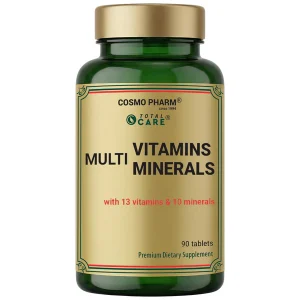
Complement your routine
Multivitamins + Multiminerals
Cosmo Pharm Multivitamins & Multiminerals can complement an intake that needs additional nutrients. It does not replace meals, fibre or a varied diet. Review the complete formula against other supplements, and ask for individual guidance during pregnancy, with ongoing medical conditions or when taking regular medicines.
Explore the product Already have it? Open your Companion →Sources & further reading
- World Health Organization: Healthy diet (opens in a new tab)
- NIH Office of Dietary Supplements: Vitamin D (opens in a new tab)
- NIH Office of Dietary Supplements: Iron (opens in a new tab)
Written by Cosmo Pharm Editorial for general wellbeing education. This article does not diagnose a condition or replace individual medical advice. The organisations linked above do not endorse this product.