

A cupboard full of food can still leave you wondering what to eat. The missing piece is often a plan for how ingredients become meals. Building a useful pantry is less about buying every healthy food and more about choosing a few combinations you can assemble when time or motivation is short.
Start with three meals, then buy the ingredients
Write down three easy meals you like. A bean stew, a grain bowl and an egg or tofu dish are possible examples, but familiar dishes from your own kitchen are just as useful. Circle the ingredients that appear more than once; those are good candidates for your regular shopping list.
A varied diet includes different food groups rather than depending on one nutrient source. World Health Organization: Healthy diet. Choose variety at a scale you can manage. Changing one dinner a week may be more sustainable than buying unfamiliar ingredients for seven new recipes.
Give each shelf a purpose
Keep a meal base, a convenient protein food and something that adds vegetables or flavour within easy reach. Label leftovers with their contents and date, and follow food-safety storage guidance. The aim is to reduce the decisions needed to feed yourself, not to create an aesthetically perfect cupboard.
For example, beans can work in a stew, salad or wrap. Whole grains can become a dinner base or part of lunch. These foods can also contribute magnesium, among other nutrients. NIH Office of Dietary Supplements: Magnesium. Choose options that fit allergies, budget and the equipment you have.
Avoid turning one food into a mineral dose
Some foods contain variable amounts of particular minerals. Brazil nuts are an example for selenium, so relying on a large daily portion as a precisely measured supplement is unwise. NIH Office of Dietary Supplements: Selenium.
Keep food and supplements in the same conversation without treating them as identical. Meals bring combinations of nutrients and enjoyment; a supplement supplies particular amounts. If you use a multimineral, check the ingredients of any separate iron, zinc, magnesium or selenium product before combining them.
Build your first practical shelf
- Choose three meals before writing the shopping list.
- Buy ingredients that work in at least two of them.
- Keep a backup meal for a day when plans change.
- Remove products you repeatedly buy but never use from the automatic list.
Review the plan after a normal week. What was easy to cook? What went unused? Those answers are more useful than judging the pantry by how many different supplements or fashionable ingredients it contains. A good system earns its place by helping you eat.
Complement your routine
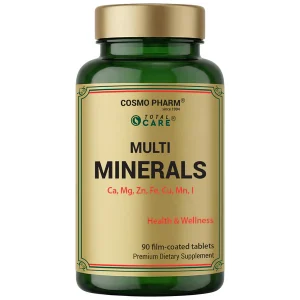
Multiminerals
Cosmo Pharm Multiminerals can help complement mineral intake where your diet needs support. A combination should suit your needs, not simply duplicate several standalone products. Read the formula, consider existing supplements and ask about medicine interactions or kidney conditions before starting a new mineral routine.
Explore the product Already have it? Open your Companion →Sources & further reading
- World Health Organization: Healthy diet (opens in a new tab)
- NIH Office of Dietary Supplements: Magnesium (opens in a new tab)
- NIH Office of Dietary Supplements: Selenium (opens in a new tab)
Written by Cosmo Pharm Editorial for general wellbeing education. This article does not diagnose a condition or replace individual medical advice. The organisations linked above do not endorse this product.