

A desk day can pass with very little change in position, even when you feel constantly busy. Making it less still does not have to begin with a new fitness programme. Start by identifying the ordinary tasks that can become opportunities to pause, stand or move in a way that is appropriate for you.
Map the longest uninterrupted stretch
Look at yesterday's calendar and identify where you stayed in one place longest. Choose a practical point to break that pattern: between meetings, after completing a task or before lunch. A cue attached to an existing event can be easier to remember than another alarm.
If you have mobility limitations, pain or a condition affecting circulation, ask which changes are suitable. General activity guidance encourages moving more and sitting less, but the right activity still needs to fit the person. CDC: Adult physical activity.
Change the arrangement, not just the intention
Keep frequently used items at sensible locations and use normal work transitions to change position. If possible, take a suitable brief walk during a break or arrange a conversation in a setting that lets you move comfortably.
These are planning examples, not a fixed exercise prescription. Review whether the arrangement helps without creating distraction or discomfort. If the change depends on a perfect gap in the schedule, choose a smaller version you can use on an ordinary day.
Understand what a circulation claim means
L-arginine is used by the body to produce nitric oxide, which helps blood vessels relax and regulate blood flow. Build your activity routine around appropriate training, regular meals and recovery, and check suitability before supplementation. NIH Office of Dietary Supplements: Exercise and athletic performance.
Circulation concerns also deserve a specific description. Cold hands, leg pain, swelling and chest symptoms are not interchangeable. Heart-health care involves assessing relevant risks and symptoms, not selecting a supplement based on a broad phrase on a label. NHLBI: Heart-healthy living.
Your next workday plan
- Identify one long sitting period you can interrupt appropriately.
- Connect the change to a task that already happens.
- Make space for a real meal break instead of eating through every meeting.
- Record any persistent symptoms so you can describe them accurately.
Seek prompt care for new one-sided swelling or other concerning symptoms, and urgent care for chest pain or severe breathlessness. Movement habits can support wellbeing while proper assessment addresses a medical concern. The routine should make the day more comfortable and adaptable, without asking you to diagnose yourself from how long you sit.
Complement your routine
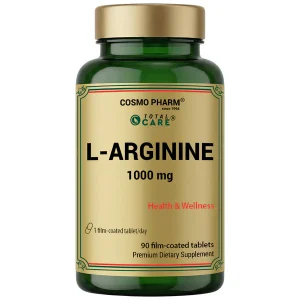
L-Arginine
Cosmo Pharm L-Arginine supplies an amino acid involved in nitric-oxide production. That mechanism does not guarantee improved exercise performance or treatment of circulation problems. Review suitability before use, particularly with cardiovascular conditions or medicines that affect blood pressure. Do not use it to self-treat chest pain or other vascular symptoms.
Explore the product Already have it? Open your Companion →Sources & further reading
- CDC: Adult physical activity (opens in a new tab)
- NIH Office of Dietary Supplements: Exercise and athletic performance (opens in a new tab)
- NHLBI: Heart-healthy living (opens in a new tab)
Written by Cosmo Pharm Editorial for general wellbeing education. This article does not diagnose a condition or replace individual medical advice. The organisations linked above do not endorse this product.