

Liver care is often marketed as something you do after a period of excess. In reality, a short cleanse cannot stand in for understanding your health, managing a condition or building an ordinary routine. Start with what you can make more consistent and what questions need a proper medical answer.
Separate a health concern from a reset impulse
If you have abnormal liver tests or a diagnosis, ask what the result means and what follow-up is needed. Treatment for fatty liver disease focuses on relevant lifestyle changes and individual medical care; the plan depends on the person. NIDDK: Treatment for fatty liver disease.
Write down the advice and any review date. Keep a complete list of medicines, herbal products and supplements. A liver-related concern is a reason to review what you take, not automatically a reason to add another product labelled for liver support.
Make the next ordinary meal easier
Choose familiar meals that you can repeat on a busy week. Prepare a shopping list around those rather than buying ingredients for a restrictive programme. If your clinician has recommended dietary changes or weight management, ask for practical support that fits your circumstances.
One useful exercise is to plan the day after a social event in advance: a normal breakfast, a prepared lunch and a manageable dinner. This avoids the cycle of skipping food to compensate and then improvising later. It is a planning example, not a treatment plan for liver disease.
Understand what milk thistle can and cannot promise
Milk thistle has a history of traditional use for liver wellbeing. Its extract contains silymarin, a group of plant compounds. If you have abnormal liver tests or a diagnosed liver condition, agree any supplement use with your clinician and continue your treatment plan. NCCIH: Milk thistle.
Keep liver care focused on regular meals, appropriate activity and the advice given for your health needs. Avoid extreme cleansing programmes, which can carry risks. NCCIH: Detoxes and cleanses. Review your routine as a whole and make changes you can maintain.
A practical liver-care conversation
- Bring recent results and your full medicine and supplement list.
- Ask which changes matter for your specific situation.
- Plan normal meals after an unusually busy or social period.
- Keep the agreed follow-up rather than using a supplement as a substitute.
Yellowing of the skin or eyes, severe abdominal pain or other significant symptoms needs medical assessment. Everyday care should make it easier to follow appropriate advice. It should not encourage you to postpone help while trying to complete a cleanse.
Complement your routine
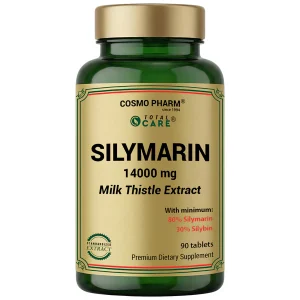
Milk Thistle
Cosmo Pharm Milk Thistle can be explored as a supplement option, with the confirmed bottle guidance of 1–2 tablets daily. The formula provides milk thistle extract containing silymarin, a group of plant compounds studied for antioxidant activity. Review suitability with a clinician, particularly if you have abnormal liver tests, take medicines or have an allergy to related plants.
Explore the product Already have it? Open your Companion →Sources & further reading
- NIDDK: Treatment for fatty liver disease (opens in a new tab)
- NCCIH: Milk thistle (opens in a new tab)
- NCCIH: Detoxes and cleanses (opens in a new tab)
Written by Cosmo Pharm Editorial for general wellbeing education. This article does not diagnose a condition or replace individual medical advice. The organisations linked above do not endorse this product.