

Cycle apps can make a complicated experience look neatly predictable. Your body may not follow the pattern on the screen, especially when periods are irregular. A useful record should help you describe what is happening and ask better questions. It does not need to predict every day or turn normal life into constant monitoring.
Choose the information you actually need
Begin with bleeding dates, unusual symptoms and the impact on daily life. Add relevant changes in medicines, illness or routine. A paper diary is fine if you prefer not to use an app or share sensitive information digitally.
Use neutral notes rather than grading the day. “Bleeding started; needed to change plans because of pain” is more useful than a vague score you interpret differently each week. If tracking increases anxiety, simplify the record or discuss a different approach with your clinician.
Ask what irregularity means for you
The condition commonly called PCOS is now also referred to as PMOS (polyendocrine metabolic ovarian syndrome). It can involve irregular periods and other symptoms, but an app or a single sign does not establish the diagnosis. Assessment considers the wider picture and excludes other possible explanations. World Health Organization: PCOS.
Bring the record to an appointment and ask which symptoms matter, whether tests are needed and what the treatment goal is. Managing symptoms, supporting metabolic health and planning a pregnancy may involve different decisions. It helps to say which need matters most to you now.
Keep daily habits flexible
Choose meals and suitable activity you can repeat without making cycle management a second job. Plan an easier version of the day for times when symptoms interfere. This could mean a prepared meal, a less demanding commitment or asking for practical help.
If you are considering inositol, discuss how it fits your goals and care plan. The international PCOS guideline allows consideration according to individual preferences, with potential metabolic benefits; preparation and daily amount need individual advice. Monash University: International evidence-based PCOS guideline. Agree how and when to review your routine, symptoms and any treatment with your clinician.
What to bring to the conversation
- A short record of dates, symptoms and their impact.
- Your current medicines and supplement labels.
- The main goal you want help with now.
- Questions about follow-up and when a change needs prompt advice.
Prolonged absence of periods, very heavy bleeding or severe pain should be assessed. If pregnancy is possible, consider that possibility when a period is late. A useful routine gives you more clarity and support, rather than more responsibility for diagnosing yourself.
Complement your routine
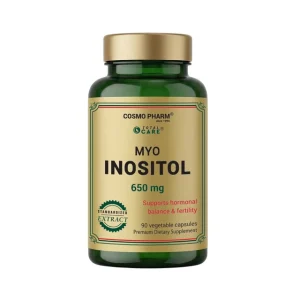
Myo Inositol
Cosmo Pharm Myo-Inositol is an option to discuss with a clinician if you are considering inositol for PCOS-related needs. The appropriate preparation and daily amount need individual consideration; the international guideline does not specify a single recommended formulation. It does not replace diagnosis, prescribed treatment or fertility advice.
Explore the product Already have it? Open your Companion →Sources & further reading
- World Health Organization: PCOS (opens in a new tab)
- Monash University: International evidence-based PCOS guideline (opens in a new tab)
Written by Cosmo Pharm Editorial for general wellbeing education. This article does not diagnose a condition or replace individual medical advice. The organisations linked above do not endorse this product.