

The afternoon slump is not one experience. Sometimes you have missed lunch; sometimes you have spent hours switching between tasks; sometimes you are genuinely short of sleep. Calling all of these an energy problem can hide the next useful step. A brief check-in helps you respond to the day you are actually having.
Separate the physical need from the task problem
Pause and ask three questions: when did I last eat, when did I last take a break, and what exactly am I trying to finish? Write down the answer to the last question in a single sentence. A vague task such as “sort everything out” is difficult to restart even when you feel well.
Choose one action that fits the answer. Eat the lunch you postponed, step away briefly from the desk or define a smaller next step. This is a practical work habit, not a method for diagnosing fatigue. It prevents you from answering every kind of discomfort with the same solution.
Create an afternoon fallback
Keep an easy food option available and decide in advance which work can wait until tomorrow. If you are away from home, think about storage and what you can realistically buy. A packed sandwich and fruit may suit your day better than an elaborate meal plan that requires a kitchen.
For mentally demanding work, try a short period with notifications paused and only the relevant document open. Record whether you completed the chosen task. Measuring the task rather than demanding that you feel energetic can make progress easier to recognise.
Look beyond the energy language on a bottle
Coenzyme Q10 is involved in cellular energy processes. This formula combines it with NADH and vitamin C. Check suitability if you take medicines, including warfarin. NCCIH: Coenzyme Q10. Vitamin C supports normal collagen formation and immune function. Regular meals and rest remain part of your daily routine. MedlinePlus: Vitamin C.
Stress also deserves a place in the conversation. If it keeps affecting daily life, support may be more useful than continually adapting around it. The NIMH explains when stress or anxiety warrants professional help. NIMH: Stress and anxiety.
A reset you can repeat
- Name the immediate need: food, a break, clearer priorities or something else.
- Choose one achievable task for the next work period.
- Prepare tomorrow's afternoon fallback before ending today.
- Seek advice if fatigue is persistent, unusual or getting worse.
Your routine should help you notice what is happening. It should not require you to push through every signal your body gives you.
Complement your routine
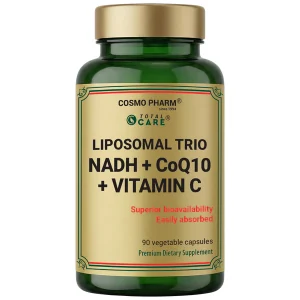
NADH + CoQ10 + Vitamin C
Cosmo Pharm NADH, Coenzyme Q10 & Vitamin C Liposomal Trio brings these ingredients together for nutritional support. Vitamin C has established roles in normal body function; the combination is not a treatment for unexplained fatigue. Check the formula and interactions, particularly if you take warfarin or other ongoing medication.
Explore the product Already have it? Open your Companion →Sources & further reading
- NCCIH: Coenzyme Q10 (opens in a new tab)
- MedlinePlus: Vitamin C (opens in a new tab)
- NIMH: Stress and anxiety (opens in a new tab)
Written by Cosmo Pharm Editorial for general wellbeing education. This article does not diagnose a condition or replace individual medical advice. The organisations linked above do not endorse this product.