

After a weekend of disrupted meals, travel or social plans, it can be tempting to declare a reset. The next helpful step is often less dramatic: return to a normal routine and notice whether any symptoms persist. Discomfort deserves a clear description, not an automatic label of toxins that need removing.
Describe the problem before choosing the response
Write down whether you mean fullness, pain, nausea, a change in bowel habits or simply feeling out of routine. Note the timing and anything unusual about the preceding days. This helps distinguish an organisational problem from a symptom that may need advice.
Avoid beginning several new supplements while trying to identify a pattern. Their effects or side effects can make the picture less clear. A useful record includes medicines, supplements and recent changes, not only the food you suspect was responsible.
Prepare an ordinary day of meals
Choose familiar foods you tolerate and arrange realistic times to eat. Make the first meal easy to prepare, and plan lunch before the working day gets busy. These are routine-building ideas rather than a medical diet for digestive symptoms.
If you often miss meals before a social event or skip them afterwards to compensate, consider a more consistent plan. Write the next day's meals on the shopping list before the event. The purpose is to reduce improvisation and make normal care easier to resume.
Keep detox language in perspective
Your liver and kidneys carry out the body’s normal waste-processing functions. Support your routine with regular meals and hydration, and avoid extreme cleansing programmes that may cause harm. NCCIH: Detoxes and cleanses. Choose supplement ingredients for their specific role and check the serving information and suitability guidance.
If you have a diagnosed liver condition, follow the agreed medical and lifestyle plan. Abnormal results need appropriate follow-up; they should not be interpreted as a reason to self-prescribe a botanical mixture. NIDDK: Treatment for fatty liver disease. Herbal products can interact with medicines too. NCCIH: Using dietary supplements wisely.
A practical return-to-routine checklist
- Prepare familiar meals for the next ordinary day.
- Record persistent symptoms in clear, specific terms.
- Keep all medicines and supplements on one list.
- Ask for assessment if discomfort continues or repeatedly returns.
Severe or persistent abdominal pain, repeated vomiting, blood in the stool or yellowing of the skin or eyes needs medical attention. Returning to routine should feel like taking care of yourself, not paying a penalty for enjoying a social occasion. If there is a medical problem, understanding it is the most useful next step.
Complement your routine
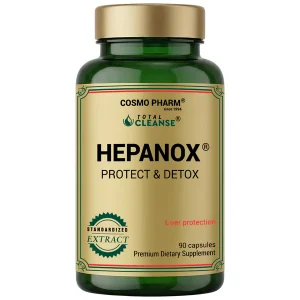
Hepanox Protect Detox®
Cosmo Pharm Hepanox is a botanical formula to review if you are considering additional support. It combines choline with botanical ingredients; choline contributes to normal liver function and lipid metabolism. Read the ingredients and check suitability with a clinician, especially with liver or gallbladder conditions, pregnancy or regular medicines.
Explore the product Already have it? Open your Companion →Sources & further reading
- NCCIH: Detoxes and cleanses (opens in a new tab)
- NIDDK: Treatment for fatty liver disease (opens in a new tab)
- NCCIH: Using dietary supplements wisely (opens in a new tab)
Written by Cosmo Pharm Editorial for general wellbeing education. This article does not diagnose a condition or replace individual medical advice. The organisations linked above do not endorse this product.