

Forgetting why you opened a document or losing track of a small task can be frustrating. A crowded day often asks you to keep too many loose ends in your head. Before building a more complicated productivity system, try giving important information one reliable place and reducing the number of times you need to rediscover it.
Create one capture point
Choose a notebook, a simple document or an app you already use. Put tasks and reminders there instead of spreading them between messages, scraps of paper and memory. The tool matters less than knowing where to look when you need the information.
At the end of the day, read the list and choose tomorrow's first task. Keep the action specific enough to start without another decision. “Call the clinic to ask about the appointment time” is easier to use than “sort health things.” This is a practical organisation method, not a test of memory.
Reduce the cost of switching
Group similar small tasks when possible and leave a brief note before changing activities. The note should say where you stopped and what comes next. It helps you restart without reconstructing the whole task from the beginning.
Try the method on one part of your day before expanding it. If a system requires more maintenance than the work it supports, simplify it. The aim is fewer loose ends, not a beautifully organised collection of unfinished plans.
Keep wellbeing in the conversation
Sleep supports attention and memory. If poor sleep is common, address that need alongside organisational changes. CDC: About sleep. Staying connected, active where appropriate and engaged in meaningful activities also belongs in a broader approach to healthy ageing. National Institute on Aging: Healthy ageing.
A supplement cannot determine why a cognitive change has occurred. If memory or concentration problems are new, progressive or affecting daily safety and function, seek assessment. Bring a description of the changes and your medicine and supplement list rather than waiting to see whether a product helps.
A one-week attention experiment
- Use one place to capture tasks and practical reminders.
- Leave a restart note before switching away from important work.
- Review tomorrow's first action before ending the day.
- Notice whether symptoms remain when the workload becomes more manageable.
Sudden confusion or a sudden change in speech, strength or awareness requires urgent medical attention. Everyday organisation is useful, but it is not a way to rule out illness. A better routine should reduce unnecessary effort while making meaningful changes easier to recognise and discuss.
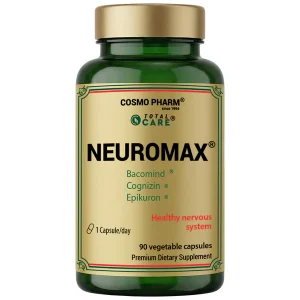
Complement your routine
Neuromax®
Cosmo Pharm Neuromax is a formula to review if you are considering additional support for your routine. Check its full ingredients and suitability with any medicines you take. It is not a treatment for memory loss or a replacement for assessment of new cognitive symptoms. Keep the practical habits and the supplement decision connected to a clear goal.
Explore the product Already have it? Open your Companion →Sources & further reading
- CDC: About sleep (opens in a new tab)
- National Institute on Aging: Healthy ageing (opens in a new tab)
Written by Cosmo Pharm Editorial for general wellbeing education. This article does not diagnose a condition or replace individual medical advice. The organisations linked above do not endorse this product.