

Legs that feel heavy after a long day and visible swelling are not always the same problem. It helps to describe exactly what you notice instead of immediately calling it poor circulation or a blocked lymphatic system. The timing, location and accompanying symptoms can guide the next sensible step.
Record the pattern clearly
Note whether the change affects one leg or both, when it started and whether there is pain, redness or warmth. Record recent travel, injury and any new medicines. If you have a diagnosed condition, follow the plan you were given and report changes rather than substituting a general wellness routine.
Sudden one-sided swelling or pain can be a sign of a blood clot and needs prompt assessment. Breathlessness or chest pain alongside possible clot symptoms is an emergency. CDC: Blood clots and travel. Do not wait to see whether massage, extra water or a supplement changes it.
Give long periods of sitting a practical review
Look at your normal day and identify where you remain still for long stretches. A useful planning step is to arrange ordinary opportunities to change position, where appropriate for your health and mobility. You might place routine tasks so that they require a brief break from the desk.
If travel is involved, ask about your individual risk rather than assuming everyone needs the same prevention plan. Compression products and medicines should be selected with appropriate advice when risk factors or a diagnosis are present.
Understand what lymphoedema care involves
Lymphoedema is a medical condition with an individual treatment plan. Care may include skin care, compression, exercise and specialist lymphatic techniques. It is not established by a general feeling of heaviness, and a supplement does not replace those treatments. NHS: Lymphoedema treatment.
If you are under specialist care, ask which everyday activities and skin-care steps fit your plan. Keep instructions in a place where you can refer to them, particularly when travelling or changing your routine. Avoid attempting unfamiliar compression or massage methods on unexplained swelling.
Prepare a useful conversation
- Write down when the change began and whether it is one-sided.
- Note pain, warmth, redness and any breathing symptoms.
- Bring details of medicines, travel and existing diagnoses.
- Ask what needs investigation and which daily habits are suitable.
Clear information is valuable care. The aim is to understand the need behind the symptom, not to label every swollen ankle as something that should be “drained.” Once the cause is understood, a practical routine can be built around appropriate advice.
Complement your routine
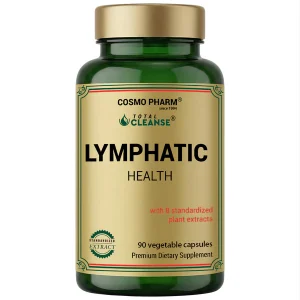
Lymphatic Health
Cosmo Pharm Lymphatic Health is a supplement to review with a healthcare professional if you are considering it. It is not a treatment for lymphoedema, blood clots or unexplained swelling, and it should not be used to delay assessment. Check the ingredients and suitability for your circumstances before use.
Explore the product Already have it? Open your Companion →Sources & further reading
Written by Cosmo Pharm Editorial for general wellbeing education. This article does not diagnose a condition or replace individual medical advice. The organisations linked above do not endorse this product.